
Kerb and Gutter Central Coast NSW
Slipform, hand-formed, layback & barrier
Kerb and gutter central coast specialists. Brisbane Water Bitumen pours slipform and hand-formed kerb across Central Coast subdivisions, council projects, and developer civil scopes.
Kerb and gutter is where civil jobs fail their first inspection. Off-line by 30mm, wrong profile, dodgy joints. BWB has poured kerb on the Central Coast for 30+ years. Slipform for the long runs, hand-formed for the tight spots, every shape from layback to barrier to mountable. Built to AS 2876 and council standard drawings.
A real human answers your call. Someone from the crew picks up, not a call centre. Free site visit, written quote.
Quick facts. Kerb and gutter construction
- Methods: Slipform (machine extrudes continuous kerb. Fast, straight) and hand-formed (timber/steel forms. For short runs, tight radii, transitions).
- Profiles: Barrier (50mm upstand), mountable (gentle ramp), layback (flat across crossings), rollback (rural shallow), kerb-only (no gutter).
- Standards: AS 2876 (concrete kerbs & channels), AS 3600 (reinforcement where used), council standard drawings (e.g. Central Coast Council CC3-001 series).
- Concrete: N32 mix typical, slump 60-80 for hand-formed, low-slump 40-60 for slipform, kerb steel where the spec calls for it.
- Lengths: 10m residential infill through to 2km+ subdivision runs. Same crew, same quality system.
- Who calls us: Civil head contractors, developers, councils, principal contractors needing the kerb out of their critical path.
Kerb & gutter scope
Every shape council ever specified. Pick one or send us the drawing and we'll match it.
Slipform kerb & gutter
Self-propelled slipform machine extrudes continuous kerb and channel. Straight runs over 50m, curves over 30m radius. Faster, straighter, less labour than hand-formed for long runs.
Hand-formed kerb
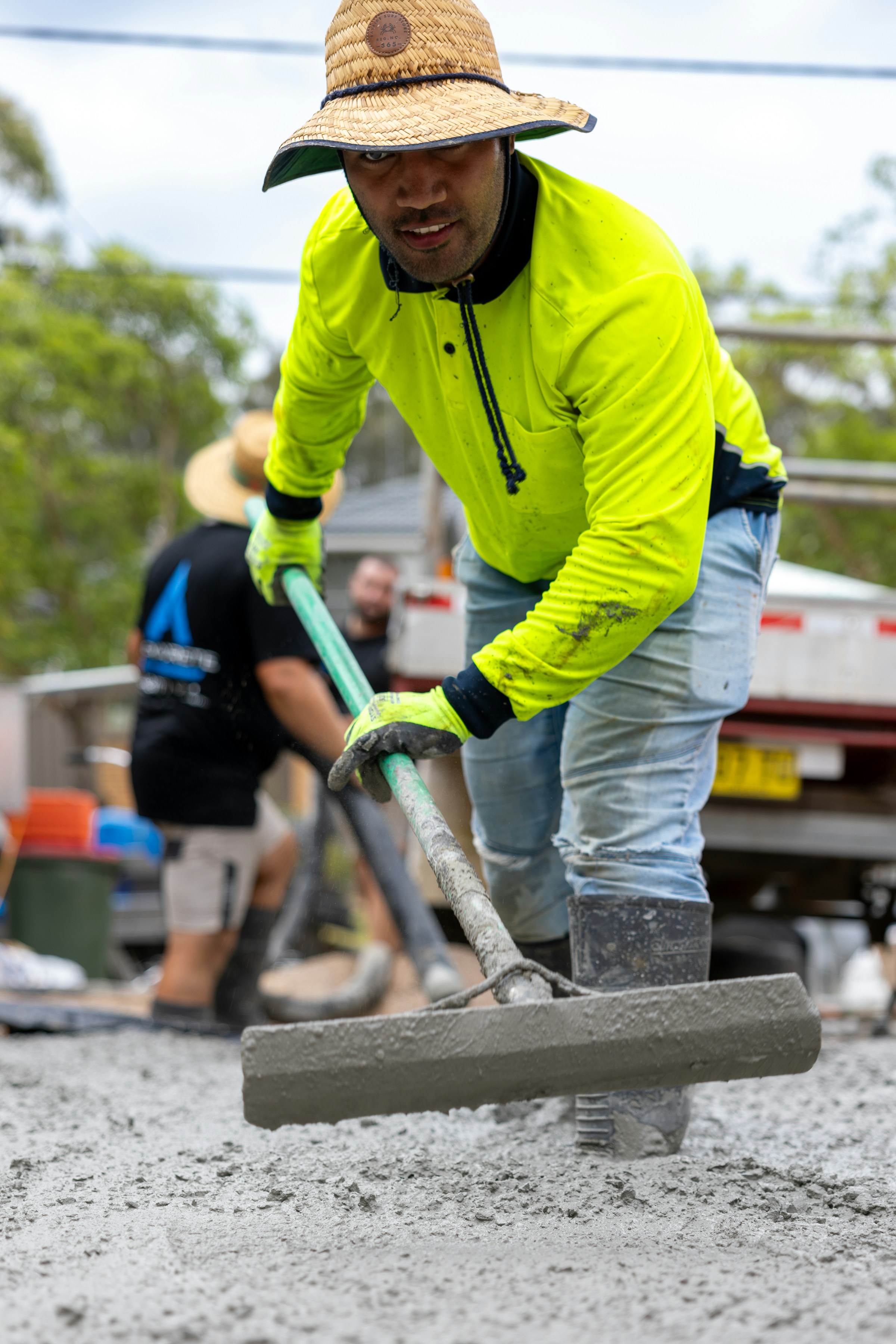
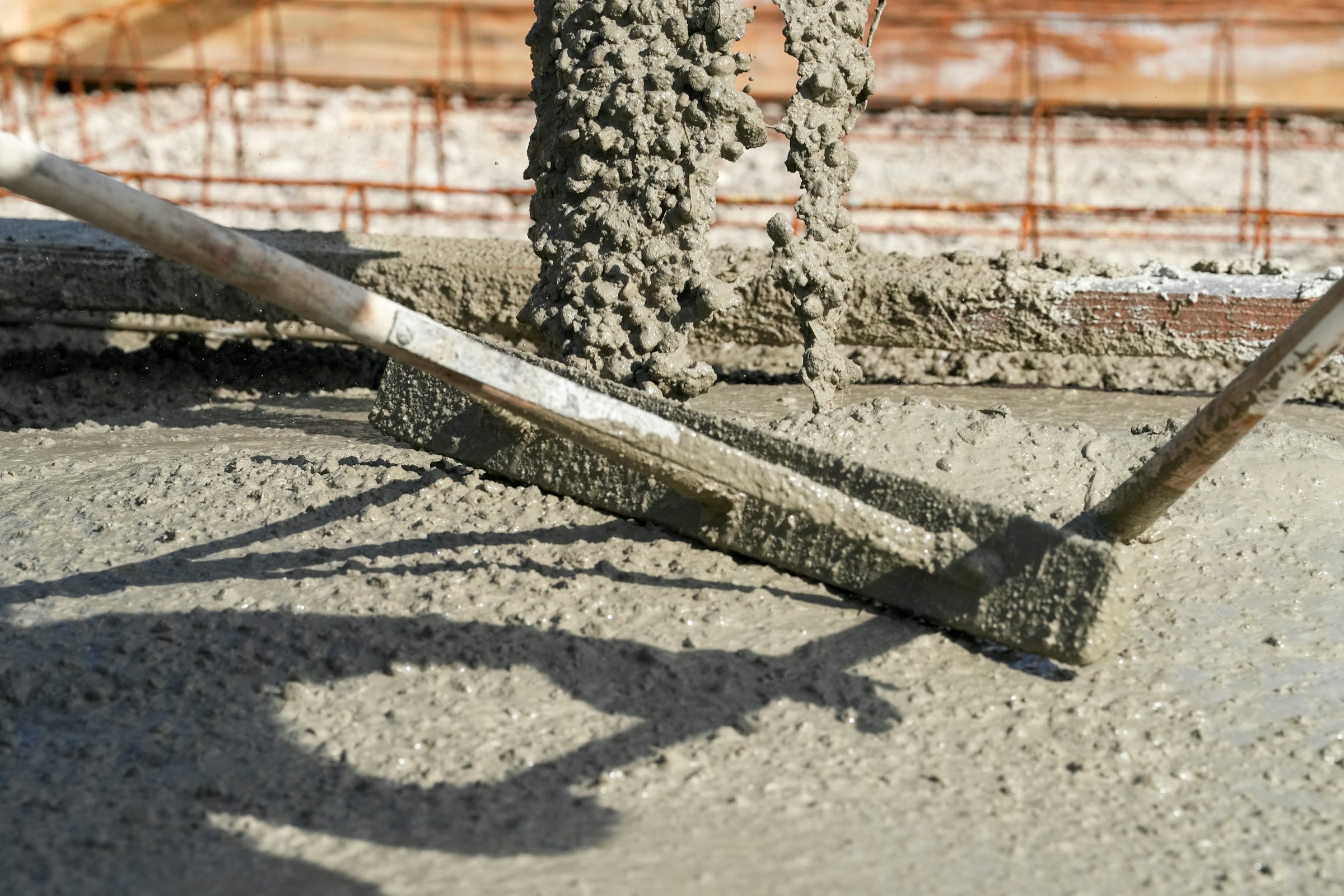
Timber or steel forms set to line and level, concrete placed and screeded, profile struck off. For short runs, tight radii, transitions, awkward gradients. Slower but no machine constraints.
Barrier kerb (B1, B2)
High upstand (130-150mm typically) for full vehicle containment. Used on roads with significant speed differential or where deflection matters.
Mountable / rollover
Gentle ramp profile, vehicles can drive over. Used on rural roads, internal estate streets, shared zones.
Layback (vehicle crossings)
Flat across the crossing width. Paired with a driveway crossover. We pour the layback as part of the crossover or the kerb run.
Kerb-only & spoon drain
Kerb without a flow line (rural and shoulder applications). Spoon drains for cross-flow. Concrete profile to council standard.
Slipform vs hand-formed. Which suits the job
Knowing which method costs less and looks better is half the call.
Slipform when…
You have 50m+ of straight or gently-curved run. The base is properly trimmed and conformant. The grade is right. Hands-down faster and cheaper per metre.
Hand-formed when…
Short runs under 30m. Tight radii under 6m. Transitions between profiles. Crossover laybacks. Anywhere the slipform can't track cleanly.
Mixed
Most subdivision jobs run slipform for the long straights and hand-formed at intersections, traffic islands and the layback returns. Same pour day, same crew.
Documentation councils want
They'll ask. We have it ready before the request lands.
ITPs & hold points
Inspection Test Plans, hold points called at the right stages (base, set-out, pre-pour, post-strip, finished surface). Council inspector signs each one.
Concrete testing
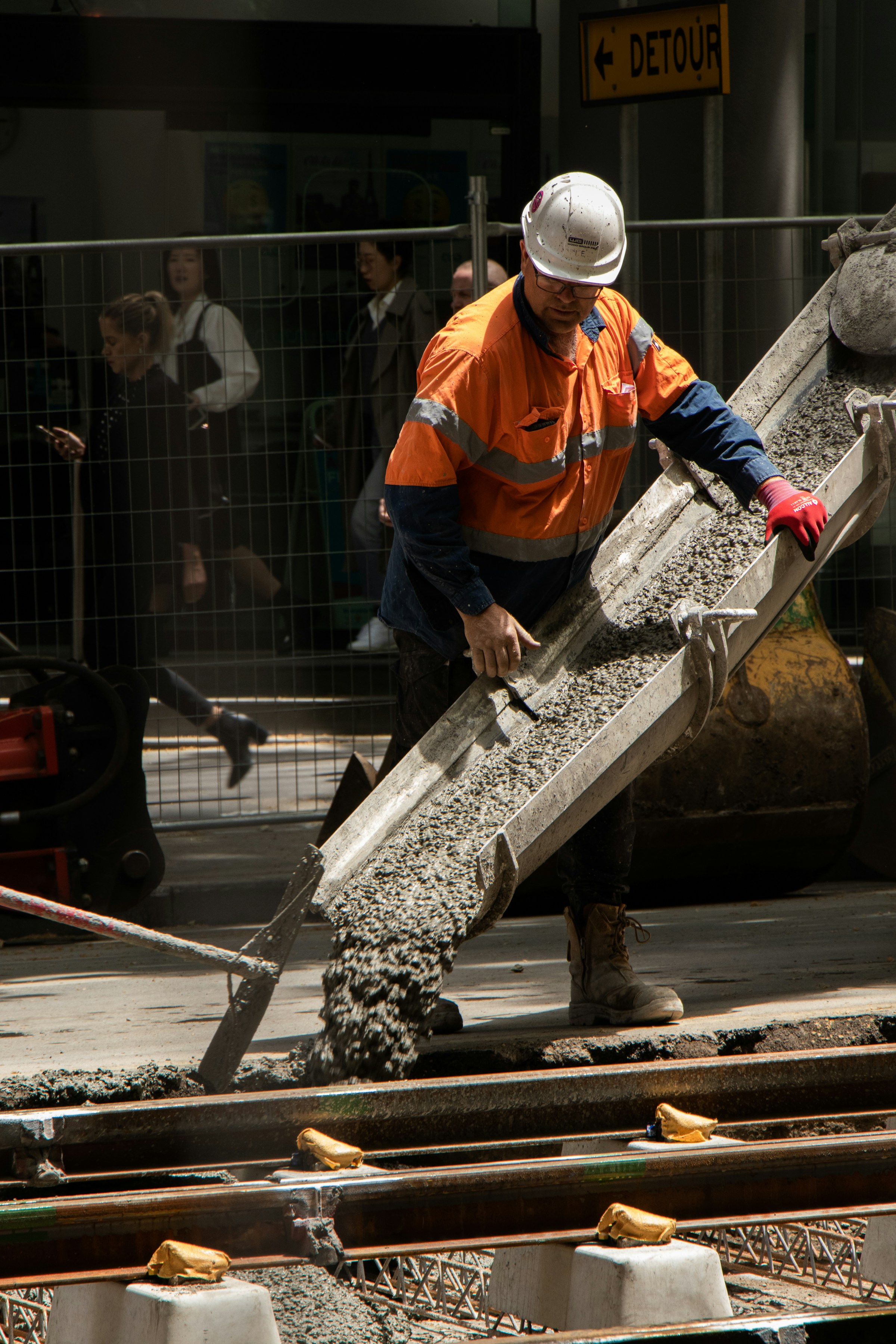
NATA-tested slump on the truck, compressive strength cylinders at 7 and 28 days, supplier batch dockets retained.
Survey as-built
String-line check during placement, total-station as-built after stripping. Works-as-executed drawings on package handover.
Recent work
Kerb and Gutter Construction. Questions answered
What's the difference between slipform and hand-formed kerb?
Slipform is machine-extruded. A self-propelled paver pulls a continuous kerb and gutter profile behind it. Fast, straight, low labour. Best for 50m+ runs. Hand-formed uses timber or steel forms set to line and level. Slower but flexible for short runs, tight radii, transitions and crossover returns. Most subdivision jobs use both.
What concrete spec do you pour kerb to?
N32 (32 MPa at 28 days) is the standard for council kerb work. Slump 40-60mm for slipform (low-slump so the profile holds shape), 60-80mm for hand-formed. AS 2876 governs the profile and tolerances. Where the spec calls for reinforcement, we tie steel to AS 3600.
How much kerb can BWB pour in a day?
Slipform can do 300-500m of continuous kerb in a day if the base is right and the truck supply lines up. Hand-formed runs are 30-80m a day depending on profile complexity and tightness of radii. Subdivision packages typically average 200-300m/day across both methods.
Do you do the kerb and the asphalt?
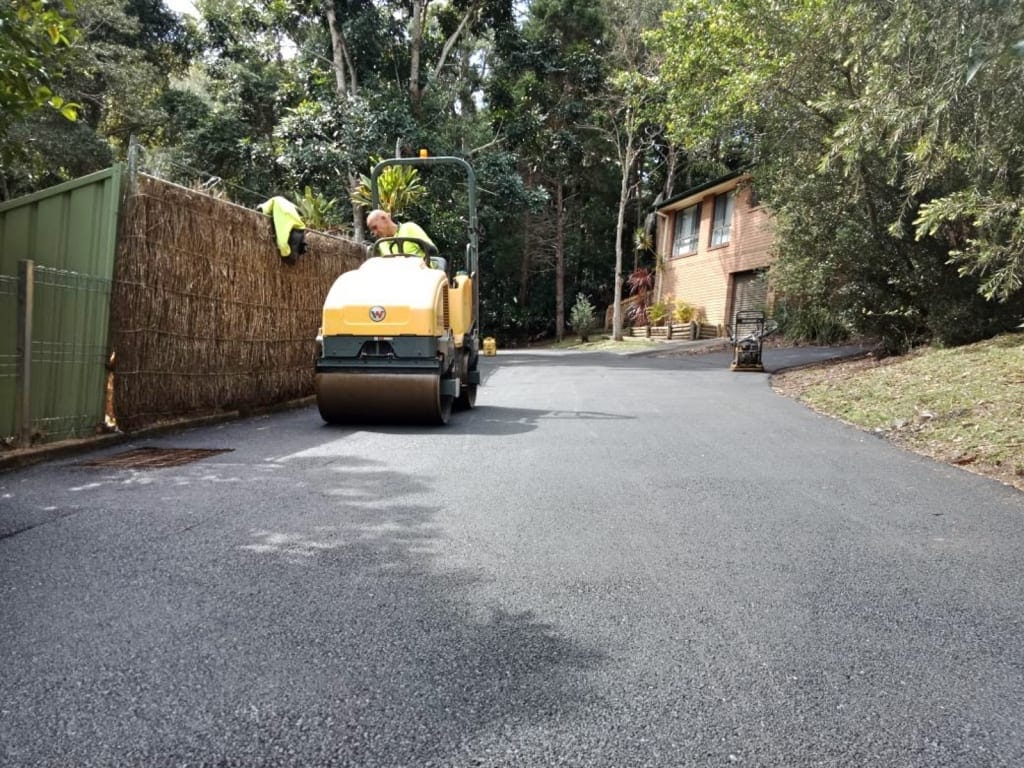
Yes. Same crew, same program. We tie the asphalt wearing course into the kerb edge with a sealed joint. One contractor on the critical path. No finger-pointing between a kerb subbie and an asphalt subbie.
What standards and council drawings do you work to?
AS 2876 for kerb and channel concrete. AS 3600 for reinforcement. Central Coast Council standard drawings CC3-001 series (barrier, mountable, layback profiles). Hornsby and Lake Macquarie fringe drawings where applicable. All ITPs and hold points called per the spec.
Can you do residential driveway-related kerb work too?
Yes. Laybacks for new driveways, kerb repairs after services trenching, kerb replacement where it's cracked and failed. Section 138 council approval lodged for any work in the road reserve.
Got a kerb spec on your desk?
Free site walk, written quote, council documentation pack on request.
Quote My Kerb Job 📞 0447 039 682More from BWB. Every size of asphalt + civil
Small, medium or large. across the Central Coast.
Get your free kerb & gutter quote
Fill this in. We'll be in touch to organise the site walk.
Thanks, we've got it
We'll be in touch to lock in a site walk, then send you a fixed-price written quote.
In the meantime, feel free to call 0447 039 682.